
彻底根除慢性便秘:肠胃科医生的真正缓解指南
27 March 2026
-genetic.jpg)
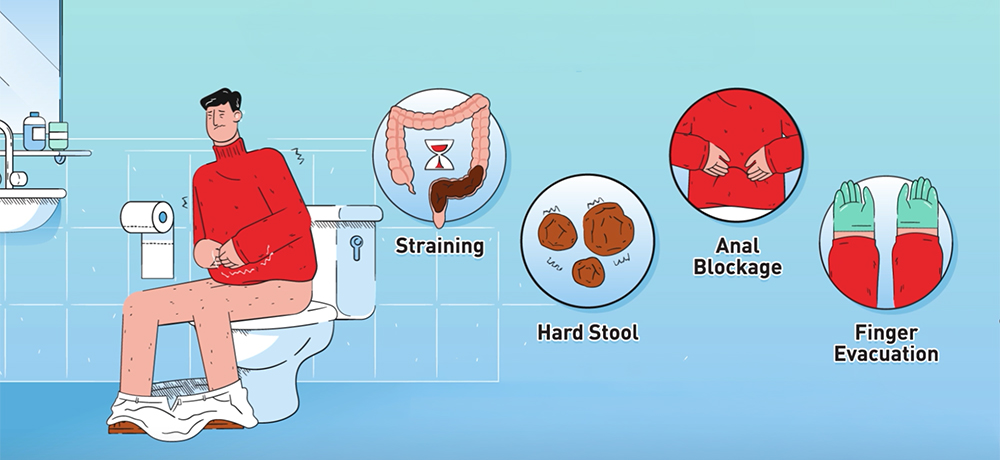
Straining on the toilet. That uncomfortable feeling of not being able to go completely. Stools that are hard, lumpy, and difficult to pass.
Sound familiar? These are the hallmark symptoms of constipation. Chances are, you have experienced any one or more of them at least once in your lifetime.
Constipation is one of the most common digestive complaints affecting people of all ages. Many with chronic constipation suffer in silence and never seek help for it. But here is what you should know: constipation is not something you simply have to live with.
In this article, Datin Dr Wendy Lim Wan Dee, Consultant Gastroenterologist and Hepatologist, helps us understand constipation, its causes and what can be done to treat it effectively.
What Is Constipation?
According to Datin Dr Wendy, a normal bowel movement frequency ranges from at least three times a week to no more than three times a day. Constipation is generally defined as difficult, infrequent or incomplete evacuation of stool occurring fewer than three times a week.

Other key symptoms of constipation include:
- Straining when passing stool
- Sensation of incomplete passing of stool
- Hard and lumpy stools
- Sensation of blockage in the rectum
- Needing to manually assist with passing stools (using one’s finger)
Your constipation is considered chronic if it persists for at least 3 months or longer.
Understanding the Types of Constipation
Not all constipation is the same. Datin Dr Wendy explains that chronic constipation can generally be classified into two main types. Identifying the underlying cause is essential, as it allows a gastroenterologist to recommend the most appropriate and effective treatment for constipation.
The first type of constipation is caused by external factors. This can happen due to certain medications, underlying medical conditions, or lifestyle habits such as not drinking enough water, not eating enough fibre, or not being physically active.
The second type happens when there is dysfunction within the colon itself. This can be further divided into three common types:
- Slow transit constipation: This occurs when stool moves too slowly through the intestines, leading to infrequent bowel movements.
- Irritable bowel syndrome (IBS): A gastrointestinal disorder that may cause constipation, along with symptoms such as bloating, abdominal pain, and diarrhoea.
- Evacuation disorders: This happens when the muscles involved in passing stool do not work properly, making it hard to fully empty the bowels.
What Causes Evacuation Disorders?
Of the three types, evacuation disorders are the most commonly overlooked and the most frequently missed.
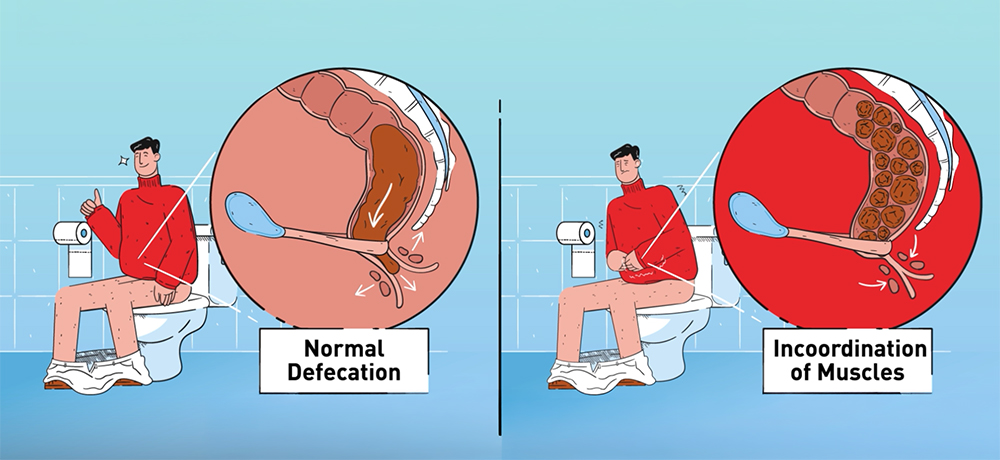
For most people, passing stool is a natural reflex. When you bear down, the muscles around the rectum and anus relax automatically, allowing stool to pass easily.

However, Datin Dr Wendy shares that this process does not work as it should for those with evacuation disorders. Often, they strain and push repeatedly. Instead of relaxing, the muscles tighten, making it even harder to pass stool and fully empty the bowels.
“This condition can be likened to a toothpaste tube with the screw cap on. If you don’t open the cap and try to squeeze it, nothing is going to come out. Unscrewing the cap allows the paste to come out,” she explains.
In fact, she shares that one third of chronic constipation cases may be caused by evacuation disorders, which cannot be diagnosed through a regular colonoscopy.
Some possible causes of evacuation disorders include:
- Pregnancy and vaginal childbirth
- Trauma or injury to the pelvic floor
- Chronic holding behaviours
- Habitual straining on the toilet
Can Chronic Constipation Be Treated?
For chronic constipation, patients are often first advised to increase dietary fibre and fluid intake, along with making lifestyle changes such as exercising more.
Fibre supplements may also be recommended to try to stimulate the gut, especially for those with slow transit constipation. However, if these are ineffective, medications and laxatives may be prescribed.
If the above conventional treatments for constipation do not provide relief, hope is not lost.
As part of the Constipation Clinic at Sunway Medical Centre, Sunway City, Datin Dr Wendy and her team combine advanced diagnostics and specialised therapy to identify and treat the root cause of your constipation.
One constipation treatment she highlights is anorectal biofeedback therapy, which has up to an 80 percent success rate in patients with evacuation disorders.
This specialised physical therapy targets the pelvic floor muscles, helping patients coordinate abdominal pressure with pelvic floor relaxation to restore normal bowel movement. It utilises a specific tool called anorectal manometry to measure muscle coordination, rectal sensitivity and pressure patterns in the rectum and anal sphincter.
Based on the results, physiotherapists will guide patients how to relax and contract the right muscles at the right time in the toilet, while tracking their progress.
“Exercises will be tailored according to the patient's specific issue, whether it is weak abdominal effort, or difficulty in bearing down or relaxing the muscles,” she adds.
You Don’t Have to Live with Constipation
Constipation may be common, but it doesn't have to be your normal. With the right diagnosis and treatment at our Constipation Clinic, led by our experienced digestive specialists, the underlying cause can be identified and treated effectively. Lasting constipation relief from chronic constipation isn’t just possible; it is within reach.
Don't let constipation control your life any longer. Click below to schedule a consultation with our Consultant Gastroenterologist & Hepatologist today.