
Pembesaran Payudara: Apa yang Perlu Anda Ketahui
24 November 2026
Breast augmentation is a cosmetic surgical procedure that aims to enhance breast size, improve shape or restore lost volume. Individuals may consider breast augmentation for various reasons, including natural breast development, changes after pregnancy, weight fluctuations or personal aesthetic preferences.
However, breast augmentation is not a one-size-fits-all procedure. Different techniques are available, and choosing the most suitable approach requires careful consideration of individual anatomy, expectations and long-term outcomes.
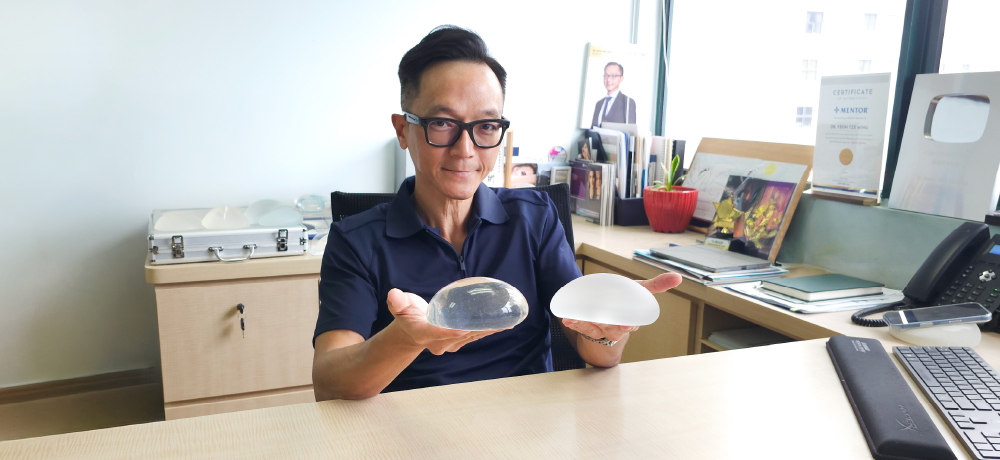
Dr Yeoh Tze Ming, Consultant Plastic & Reconstructive Surgeon, shares insights into breast augmentation options, what patients can expect and important considerations before undergoing surgery.
What Is Breast Augmentation?
Breast augmentation is a surgical procedure to increase breast volume and enhance breast contour. It may also help address differences in breast size or restore fullness that has diminished over time.
There are two main approaches to breast augmentation: using breast implants or transferring fat from another area of the patient's body.
Although both methods aim to improve breast volume and shape, they differ in technique, suitability and the extent of enhancement achievable.
Breast Augmentation Options: Fat Transfer vs. Breast Implants
One of the most common questions patients ask is, "Which breast augmentation method is best?"
Dr Yeoh explains that the answer depends on several factors, including existing breast anatomy, desired increase in volume, availability of donor fat and individual expectations.
Breast Implants
Breast implants are commonly used for patients seeking a more noticeable and predictable increase in breast volume.
Implants are available in different sizes, shapes and projections.
Dr Yeoh explains that during consultation, plastic surgeons assess factors such as chest width, existing breast tissue, skin quality and overall body proportions to determine a suitable implant.
Implants may be positioned beneath the breast tissue, or partially or fully beneath the chest muscle, depending on individual anatomy and surgical considerations.
Fat Transfer Breast Augmentation
Fat transfer breast augmentation uses the patient's own fat to enhance breast volume.
The procedure involves removing fat from areas such as the abdomen or thighs through liposuction. The harvested fat is then processed and carefully injected into the breasts.
“This approach may be suitable for individuals seeking a more subtle enhancement without implants. However, patients must have sufficient donor fat, and some transferred fat may be naturally reabsorbed by the body. Additional sessions may sometimes be necessary to achieve the desired volume,” adds Dr Yeoh.
Ultimately, according to Dr Yeoh, neither method is universally better. The appropriate choice depends on the patient's anatomy, preferences and treatment goals.
Who Is a Suitable Candidate?
Breast augmentation may be considered by individuals who wish to:
- Increase naturally smaller breast volume
- Restore fullness following pregnancy, breastfeeding or weight changes
- Improve differences in breast size or shape
- Enhance breast proportions according to their personal preferences
Suitable candidates are generally in good overall health, have realistic expectations and understand the potential benefits and limitations of surgery.
Dr Yeoh stresses that breast augmentation primarily increases volume. Patients experiencing significant breast sagging may require a breast lift, either alone or combined with augmentation, depending on their condition.
A thorough consultation helps determine whether the procedure is appropriate.
What to Expect with Breast Augmentation Surgery
Before breast augmentation surgery, patients undergo a consultation to discuss their medical history, aesthetic goals and available treatment options.
For implant-based augmentation, the surgeon may take measurements of the chest and breasts to guide implant selection. The surgical approach, incision location, implant placement and expected recovery process are also discussed.
Following surgery, temporary swelling, bruising, discomfort and tightness around the breasts are common. Patients are usually advised to limit strenuous activities during the initial recovery period and follow their surgeon's instructions regarding wound care, supportive garments and follow-up appointments.
“Recovery varies between individuals and depends on the surgical technique used,” shares Dr Yeoh.
Can Breast Augmentation Affect Breastfeeding?
Many individuals can breastfeed after breast augmentation, although the potential impact depends on factors such as incision placement, surgical technique and whether milk ducts, nerves or glandular tissue are affected.
Patients planning future pregnancies or breastfeeding should discuss these considerations with their surgeon before undergoing surgery.
How Long Does Breast Augmentation Last?
Breast augmentation results can be long-lasting, but they are not necessarily permanent.
“Breast implants are not lifetime devices. Although there is no fixed replacement schedule for every patient, implants may eventually require removal or replacement due to changes in breast appearance or personal preferences,” Dr Yeoh points out.
For fat transfer, a portion of the transferred fat is naturally absorbed during healing. Fat that successfully establishes a blood supply may remain in place long-term, although subsequent weight changes and ageing can affect breast volume.
Breast Augmentation Risks and Complications
Like any surgical procedure, breast augmentation carries potential risks.
“The general surgical risks include bleeding, infection, scarring, anaesthesia-related complications and changes in nipple or breast sensation,” says Dr Yeoh.
Implant-specific complications may include capsular contracture, implant rupture, displacement and the possibility of future revision surgery.
Fat transfer carries different risks, including fat necrosis, oil cysts, uneven fat retention and contour irregularities.
Understanding breast augmentation risks and complications allows patients to make informed decisions and establish realistic expectations.
Getting Started with Your Breast Augmentation Journey
Choosing to undergo breast augmentation is a personal decision that requires careful consideration.
Whether opting for breast implants or fat transfer, the most appropriate approach depends on individual anatomy, desired breast volume, overall health and long-term expectations.
If you are considering breast augmentation, schedule a consultation with our Plastic & Reconstructive Surgeon to discuss the available options, understand potential risks and make an informed decision based on your individual needs and goals.


