

The Difference Between Baby Blues and Postpartum Depression
21 July 2026
Having a baby is a major transition to your life. While welcoming your little one is often a joyful experience, it is also common for new mothers to experience unexpected emotional ups and downs or feel overwhelmed.
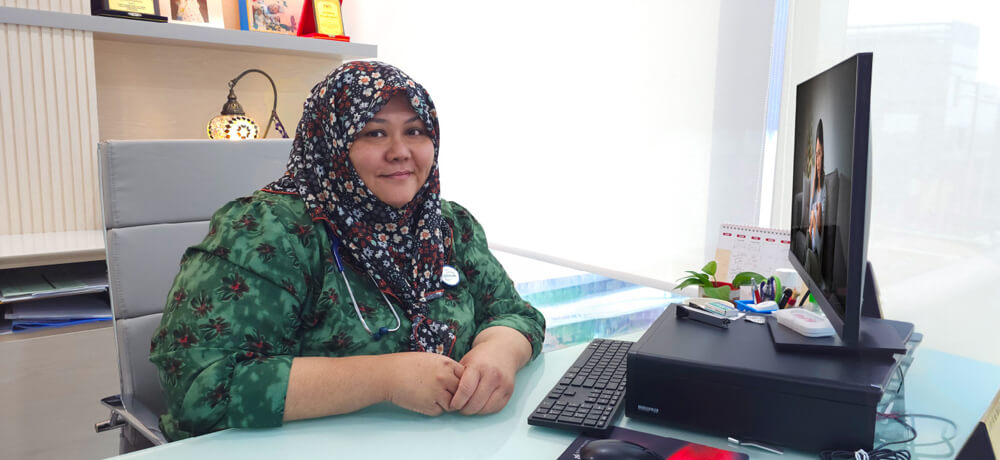
During the first six to eight weeks after delivery, known as the postpartum period, a mother’s body goes through many physical and emotional changes. While some emotional changes are temporary, others may last longer. To help us understand the difference between baby blues and postpartum depression, Dr Sharmina Kamal Binti Shamsul Kamal, Consultant Obstetrician & Gynaecologist, shares how to recognise these signs and when to seek help.
Changes a Mother Goes Through After Childbirth
Besides recovering from a natural delivery or Caesarean section, you may notice other physical changes such as breast engorgement, vaginal bleeding and hair loss. Dr Sharmina explains, “Your body also experiences a sudden drop in hormone levels, mainly oestrogen and progesterone. These hormonal changes can lead to mood swings and emotional changes. Together with sleep deprivation and adjusting to your new role as a mother, it is normal to feel overwhelmed.”
What Are Baby Blues?
Baby blues refer to a temporary emotional state that new mothers experience shortly after giving birth. Dr Sharmina explains that baby blues are very common, affecting up to 85% of new mothers.
Common symptoms include:
- Feeling emotionally down
- Experiencing mood swings
- Having anxiety
- Crying easily
“Baby blues usually begin two to three days after delivery, and you’ll often feel better within two weeks as your body gradually adjusts to the new routine. Symptoms usually improve within two weeks and rarely persist beyond one month. During this time, feeling overwhelmed may also make it difficult for you to sleep or rest well. That is why I would advise new mothers to get as much sleep and rest whenever they have the opportunity,” says Dr Sharmina.
What Is Postpartum Depression?
Unlike baby blues, postpartum depression is more intense and can affect your daily life, your relationships and ability to care for yourself and your baby. “Postpartum depression is more severe and does not go away on its own,” explains Dr Sharmina.
Common symptoms include:
- Feelings of guilt and worthlessness
- Difficulty bonding with your baby
- Thoughts of harming yourself or your baby
- Having trouble eating
- Having trouble sleeping or sleeping a lot
She mentions that postpartum depression symptoms may persist for months, and sometimes even up to one to two years if left untreated. That is why it is important to seek treatment as soon as possible. Because it lasts longer than baby blues, you should go for professional evaluation and seek treatment.
When Should You Seek Help?
It is important to recognise the signs and acknowledge that you need help. Dr Sharmina recommends that you should start seeking medical advice if:
- Your symptoms last longer than two weeks to one month
- Daily activities become a chore
- You feel persistently hopeless, anxious or worthless
She emphasises, “If you have thoughts of harming yourself or your baby, don’t wait for your next checkup, seek immediate medical attention immediately.”
Getting Treatment and Support
Postpartum depression can be treated with the right help and support. “It is important to acknowledge how you feel, and treatment can help you regain your normal self,” Dr Sharmina assures.
Depending on your condition, treatment may include:
- Counselling or therapy from a clinical psychologist
- Seeing a psychiatrist for further assessment and evaluation
- Taking medications if necessary
Besides professional treatment, having a strong support system at home can significantly help you. “Your husband can support you by sharing the load of caring for your baby, such as feeding, changing diapers or helping out with some household chores. These shared responsibilities can ease your burden, allowing you more time to rest,” says Dr Sharmina.
She also adds that support from family members is important, especially in Asian communities where family members often get involved in caring for the mother and baby. “However, not every family lives nearby or is available. They may not be entirely aware of what you’re going through, which is why attending your post-natal checkups regularly is so important. You know that your healthcare team is here to support you in your recovery journey.”
You Can Get Through This
Experiencing baby blues or postpartum depression doesn’t make you a bad mother. Remember that you’re not alone on this journey, and support is always available. If you’re experiencing these symptoms or simply need someone to talk to, don’t hesitate to reach out to an obstetrician and gynaecologist. Dr Sharmina is here to support you every step of the way. Seeking help early can make a meaningful difference, helping you embrace this new chapter of motherhood.


