

Limb Lengthening and Reconstruction Surgery: Restoring Movement and Mobility
20 April 2026
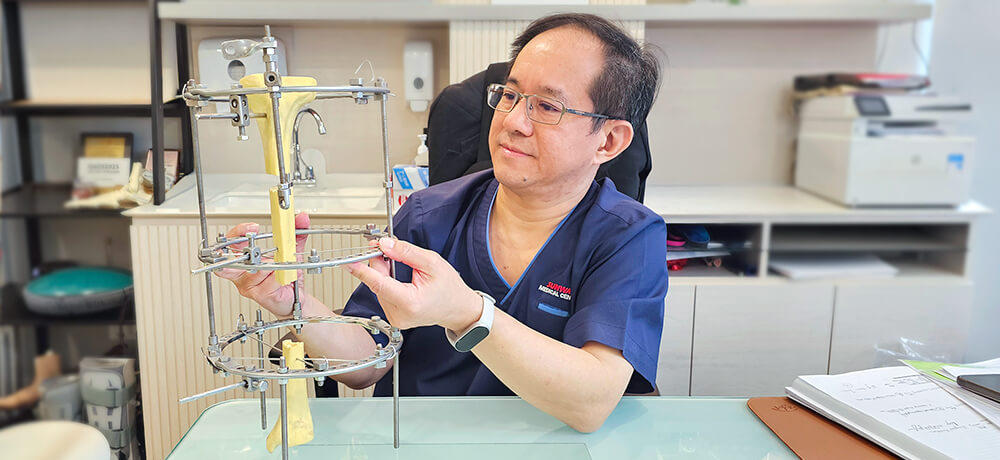
An injured limb, a deformed bone, or a complex fracture can significantly affect a person’s mobility, function, and overall quality of life. Many people living with these conditions may feel discouraged or overwhelmed. However, with advances in orthopaedic surgery, limb lengthening and reconstruction can offer a path forward, helping to restore movement, improve function and support recovery.
While limb lengthening is sometimes associated with cosmetic applications, this complex procedure is primarily performed as a medical treatment in Malaysia. Consultant Foot and Ankle Surgeon, Dr Chua Yeok Pin, who has extensive experience performing this surgery, shares his insights as we drill down into the basics of limb lengthening and reconstruction.
What Is Limb Lengthening and Reconstruction Surgery?
Limb lengthening and reconstruction is a surgical procedure performed to restore alignment, length and overall function of the limb. It involves two components: lengthening, where the bone is gradually increased over time, and reconstruction, which focuses on correcting and restoring bone structure and alignment.
Together, these techniques help improve stability and support better movement in the limb.
Who Is the Surgery For?
According to Dr Chua, this procedure may be suitable for individuals of various ages who experience:
- Limb length discrepancy
- Trauma or fractures that have healed improperly
- Bone loss due to infection or trauma (injury)
- Deformities affecting walking or overall movement
A detailed clinical evaluation is important to determine whether the procedure is suitable and to plan the most appropriate treatment approach.
What Happens During the Surgery?
Dr Chua explains that the process involves several stages, including the surgical phase, lengthening (or transportation) phase and healing phases.
a. Surgical Phase
The affected bone is carefully cut and realigned to correct deformities or length differences. This procedure is known as an osteotomy. Bone segments are then stabilised using an internal rod or external fixator, creating a controlled gap where new bone can form.
b. Latency Period
After surgery, the bone enters an early healing stage called the latency period. “This period might last around 14 days, during which healing begins but no lengthening takes place yet,” explains Dr Chua.
c. Lengthening/Distraction Phase
During this phase, the bone is gradually separated at an average of approximately 1 mm per day using the fixation device. As the gap widens, the new bone starts to form, giving the limb to lengthen in a controlled manner and reducing the risk of future complications. This stage is also known as the bone distraction phase.
d. Consolidation Phase
Once the desired length is achieved, the bone begins to harden and strengthen. At this stage, the fixator remains in place until the new bone has been fully stabilised (or consolidated) and can support normal weight-bearing (strong enough to support walking, movement and daily activities).
Recovery Process and Duration
Recovery may take several months, depending on the individual’s condition and treatment goals.
Dr Chua highlights several key factors that support a smoother recovery:
- Attending regular follow-up appointments
- Following medical advice closely
- Going for physiotherapy sessions to maintain joint flexibility and increase muscle strength
- Using walking aids such as crutches when needed
- Eating a balanced diet to support bone healing
“Remember, patience and consistency play an important role in achieving the best healing outcomes,” Dr Chua emphasises.
Benefits and Considerations
When performed for appropriate medical reasons, limb lengthening and reconstruction can offer significant benefits, including:
- Better limb alignment and stability
- Improved mobility and overall function
- Correction of limb length discrepancies
- Reduced risk of long-term complications
- Improved ability to perform daily activities independently
Outcomes may vary depending on individual health conditions and treatment complexity. However, Dr Chua mentions a consultation with proper assessment and close monitoring help minimise complications and support safe recovery.
A Path to Better Movement and Recovery
Early assessment and timely intervention are important in improving long-term outcomes for individuals with limb discrepancies and deformities.
“A limb affected by injury or deformity does not mean the end of your journey. With the right medical care, restoration is possible,” assures Dr Chua.
If your limb condition is affecting your daily activities and quality of life, book an appointment with an orthopaedic specialist today for further assessment and explore your treatment options.


