

Urine Trouble: What Men Should Know About Benign Prostatic Hyperplasia (BPH)
27 April 2026
-Web.jpg.jpeg)
Frequent trips to the bathroom, especially at night. A weak urine stream. The constant feeling that your bladder is never quite empty.
If these urinary symptoms sound familiar, you are not alone. Many men experience them as they age, often due to a common condition known as Benign Prostatic Hyperplasia (BPH). This prostate condition can cause significant discomfort, affect quality of life, and may lead to more serious complications if left untreated.
However, BPH is not something you have to live with. With the right diagnosis and care, it can be effectively managed.
Dr Sivaprakasam A/L Sivalingam, our Consultant Urologist, shares what every man needs to know about BPH, including its symptoms and the treatment options available to help you regain comfort and confidence.
Understanding Benign Prostatic Hyperplasia (BPH) and Its Urinary Symptoms
According to Dr Sivaprakasam, BPH is one of the most common causes of urinary problems in older men.
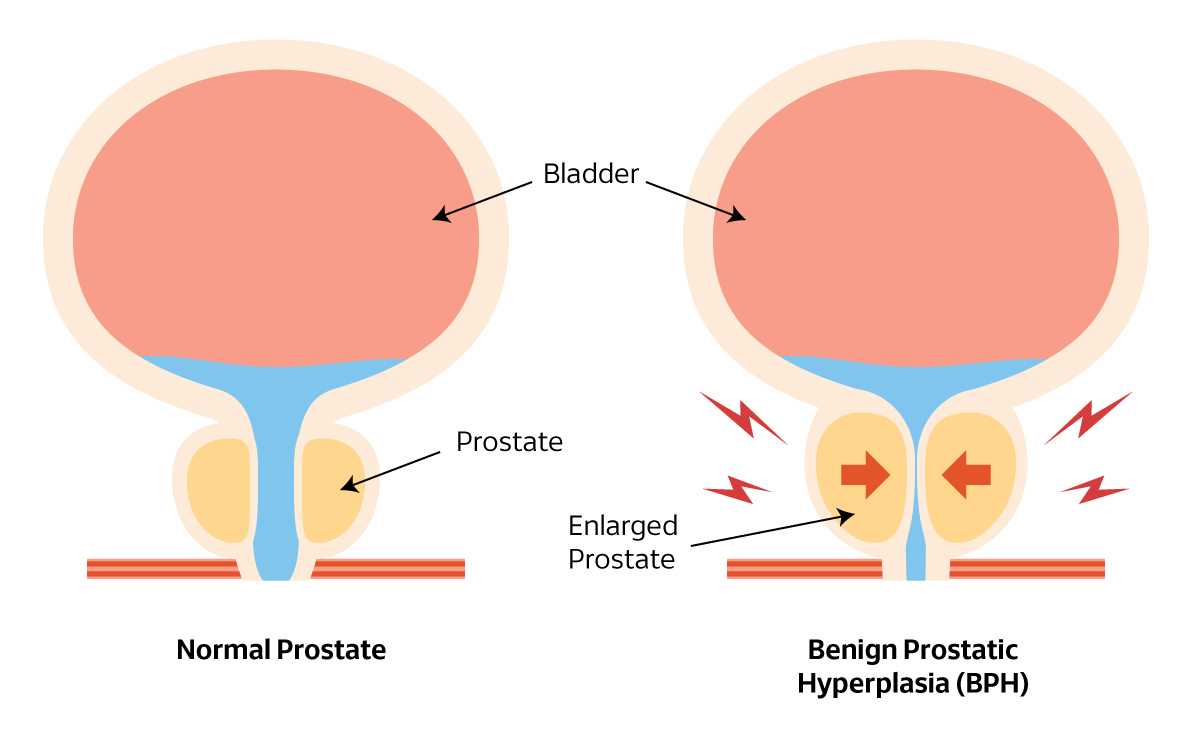
BPH occurs when the prostate becomes enlarged and presses on the urethra, making it harder to pass urine. Symptoms often begin to appear as men reach their fifties, but many men tend to dismiss BPH symptoms as a normal part of ageing — a misconception that he hopes to change.
Some of the common BPH symptoms include:
- Frequent Need to Urinate
While urination frequency can vary depending on fluid intake and daily activities, most people can typically go 3 to 4 hours without needing to empty their bladder. A potential red flag is needing to urinate every hour, especially without excessive fluid intake. - Urinating More Often at Night (Nocturia)
Waking up more than twice a night to urinate, which can significantly disrupt sleep and affect overall quality of life. - Urgent Need to Urinate
A sudden, strong urge to urinate that is difficult to delay. Individuals with BPH may have problems holding their urine despite their best efforts, sometimes resulting in involuntary leakage of urine. - Sensation of Incomplete Bladder Emptying
Even after using the toilet, individuals may feel as though their bladder has not been fully emptied, leading to the need to urinate again shortly after. - Weaker Urine Flow
Urine flow may become noticeably slower and less forceful than before, making urination take longer than usual. - Intermittent Urine Flow
Urine flow that starts and stops instead of running in a steady stream. - Post-Urination Dribbling
Even after finishing urination, there may be a slight, unexpected dripping or leaking of urine, despite feeling that the bladder has already been emptied.
Dr Sivaprakasam notes that many BPH patients often only seek medical attention when the frequent nighttime urination begins to disrupt their sleep. For older people, repeated waking can make it difficult to fall back asleep.
“For those over 60, it can be difficult to go back to sleep. When this continues over weeks and months, it can lead to daytime sleepiness and lethargy, which affects day-to-day functioning,” adds the urologist.
If left untreated, BPH can lead to complications such as acute urinary retention and recurring urinary tract infections. Over time, it may also affect kidney function and potentially lead to kidney failure.
Does Urinating Frequently at Night Mean I Have BPH?
While waking up frequently at night to urinate is a common symptom of BPH, Dr Sivaprakasam explains that it is not always caused by prostate or urinary problems.
In some cases, it may be linked to other health conditions that a person may not even realise they have, such as uncontrolled diabetes or obstructive sleep apnea (a condition that affects breathing during sleep).
If you find yourself waking up often at night to urinate, it is important to consult a urologist to find out the underlying cause and receive appropriate treatment.
Dr Sivaprakasam also shares that some of his patients no longer experience frequent nighttime urination after receiving treatment for obstructive sleep apnea.
Can BPH Be Effectively Treated?
Yes, there are effective BPH treatments available to relieve symptoms. The type of treatment however, depends on factors such as how large the prostate is, the patient’s overall health, and the medical facilities available.
For many patients, treatment usually starts with oral medications. This helps relieve the built-up pressure on the urethra caused by the enlarged prostate. In most cases, medications are enough to effectively relieve symptoms.
However, in cases when the prostate is too large, medications may be less effective. If symptoms continue despite treatment, a procedure or surgery may be recommended to reduce the size of the prostate or widening the urethra.
In addition to medical treatment, simple lifestyle changes can also help improve symptoms. These include:
- Avoid drinking too much fluid, especially before bedtime.
- Cut down on caffeine, as it can worsen BPH symptoms.
- Manage constipation, as a full rectum can put pressure on the urethra and make urination more difficult.
Does BPH Require Treatment If I Have No Urinary Symptoms?
In some cases, an enlarged prostate may be detected even though the patient does not have any symptoms. In such situations, treatment is usually not necessary, as it is primarily aimed at relieving urinary symptoms.
However, patients are encouraged to monitor any changes in their urinary habits and continue regular health check-ups. A urologist may also recommend screening for prostate cancer, if it has not been done, to rule out the possibility of cancer.
Urinary Problems Do Not Have to Be Your Normal
BPH may be a common part of ageing, but living with discomfort from its urinary symptoms does not have to be. You should not have to tolerate it in silence; there is not shame in voicing out.
With the right support and treatment, most men can achieve significant relief from their urinary problems and regain control over their daily lives.
Are urinary problems something you struggle with? Click below to schedule a consultation with our Consultant Urologist today.


