

Understanding Aortic Stenosis: A Serious Heart Valve Disease with a Minimally Invasive Fix
09 October 2026
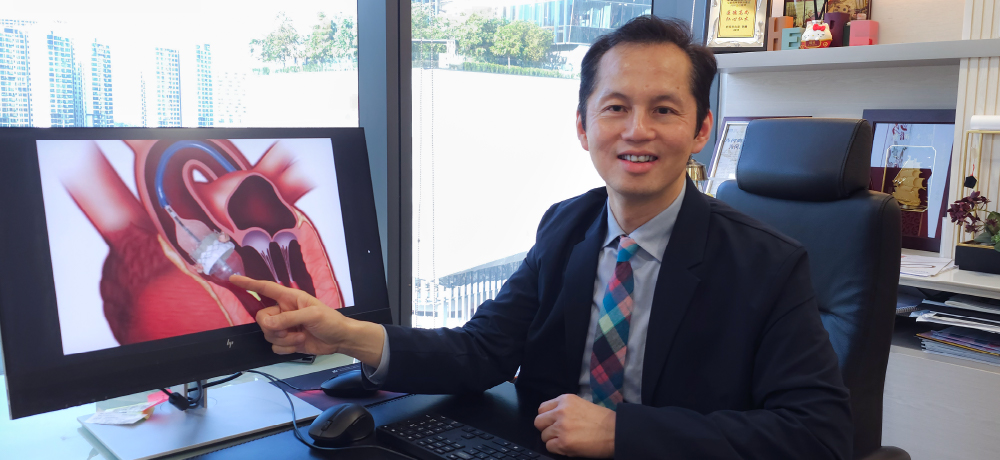
Many people assume that slowing down, getting breathless more easily, or feeling tired more often is simply part of getting older. While this may be true for some, these symptoms can also be signs of aortic stenosis, a serious heart valve disease that can become life-threatening if left untreated.
The good news is that early diagnosis and timely treatment can significantly improve outcomes. Dato' Dr Yap Yee Guan, our Consultant Cardiologist, explains what you need to know about aortic stenosis and how treatment has evolved beyond traditional open-heart surgery, offering suitable patients a lower-risk therapy and quicker return to daily life.
What Is Aortic Stenosis?
The aortic valve acts like a one-way door between your heart and your aorta, the main artery that carries oxygen-rich blood to your entire body. Every time your heart beats, it opens to let blood flow out to the rest of the body and closes to prevent blood from flowing backwards — a motion that happens about 100,000 times a day
Over time, however, the valve can become stiff and narrowed, often due to calcium buildup that comes with ageing. When that happens, the heart has to work much harder to push blood through the smaller aortic valve opening.
Dato' Dr Yap describes this heart valve disease simply as rocks building up on a door, gradually making it harder to open wide.
Recognising the Symptoms of Aortic Stenosis
Aortic stenosis affects approximately 5 percent of the population at age 65, with increasing prevalence with advancing age. There is an exponential increase in prevalence of aortic stenosis with age, with 0.2 percent in the 50- to 59-year age group, 1.3 percent in the 60- to 69-year age group, 3.9 percent in the 70- to 79-year age group, and 9.8 percent in those aged 80 to 89 years.
However, it isn't only a disease of later life. Dato’ Dr Yap notes that aortic stenosis may also present in middle-aged adults born with a bicuspid aortic valve, a congenital heart defect affecting up to 2 percent of the general population. Aortic stenosis can also present as a complication later in life in patients with prior rheumatic fever.
Symptoms of aortic stenosis are often silent. Common warning signs include:
- Shortness of breath, especially during activity
- Chest pain
- Dizziness
- Fainting spells / blackout
- Unusual fatigue
- Reduced exercise capacity
Left untreated, severe aortic stenosis can seriously affect quality of life and become fatal.
“If left untreated, by the time the patients with severe aortic stenosis develop angina chest pain, the life expectancy is 5 years. By the time they develop blackout symptoms, the life expectancy is 3 years. Finally, by the time they develop symptoms of congestive heart failure such as breathlessness, the life expectancy is 1 to 2 years,” reveals Dato’ Dr Yap.
It is crucial, therefore, to seek medical attention if you notice these symptoms in yourself or a loved one. Through modern imaging technologies, including echocardiography and cardiac CT, cardiologists can assess the severity of aortic stenosis and determine the most appropriate treatment.
TAVI as a Less Invasive Treatment for Aortic Stenosis
Traditionally, severe aortic stenosis treatment involves an open-heart surgery to replace the damaged valve, a proven approach, but one that carries significant mortality, morbidity risks and a long recovery period.
Today, advances in heart valve therapy offer patients with severe aortic stenosis an alternative treatment option. Dato' Dr Yap shares that one such option is Transcatheter Aortic Valve Implantation (TAVI), a minimally invasive, lower-risk alternative to open-heart surgery.
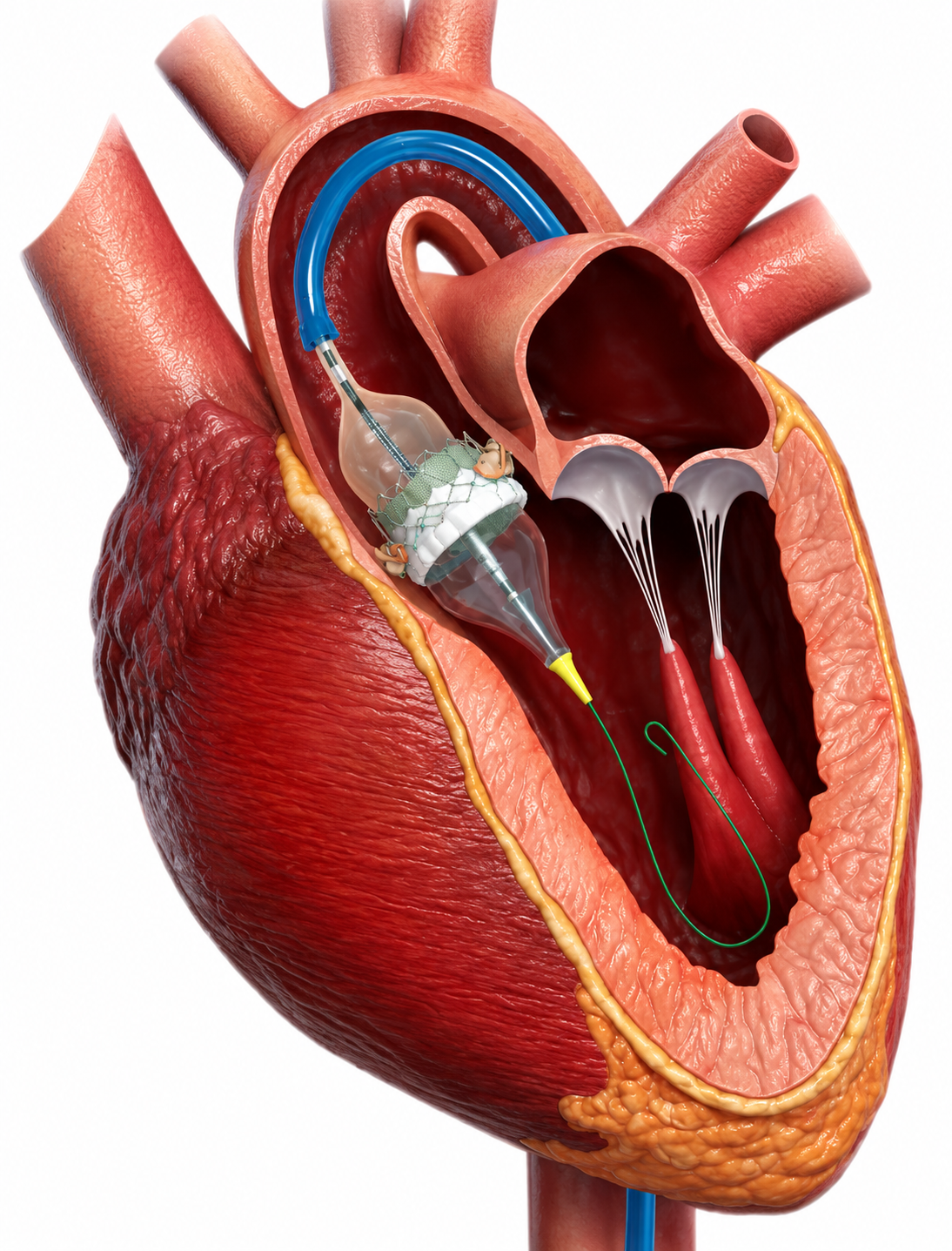
Instead of opening up the chest, TAVI delivers a new replacement valve through a thin tube called a catheter, usually inserted through an artery in the groin. The catheter guides the new valve up to the heart and positions it inside the diseased valve. The procedure typically takes around 1 to 1.5 hours.
Benefits of TAVI Over Open-Heart Surgery
Because there's no need to open the chest, patients who undergo the TAVI procedure for aortic stenosis typically experience:
- Lower risk of complications (such as stroke and death)
- Shorter hospital stay
- Faster recovery (compared to open heart surgery)
- Minimal scarring
Recovery timelines reflect this difference clearly. With TAVI, Dato’ Dr Yap shares that patients are typically able to go home and resume daily life after 1 or 2 days in the hospital, compared to a one-week stay following traditional open-heart surgery.
“In fact, most patients can basically move around and do everything the next day. Just no exercise for one month,” shares Dato’ Dr Yap.
At Sunway Medical Centre, Sunway City, TAVI is performed by a multidisciplinary team of nurses, allied health professionals and cardiac specialists, led by Dato’ Dr Yap Yee Guan.
Don't Ignore the Signs of Aortic Stenosis
Aortic stenosis is a serious heart valve disease, but it's also a treatable one, especially when caught early. If you or a loved one is experiencing breathlessness, chest discomfort, dizziness, or unexplained fatigue, it's worth consulting a cardiologist before it is too late. Click below to schedule a consultation with Dato’ Dr Yap Yee Guan today.


