
What You Should Know About Tuberculosis (TB)
24 March 2026
Tuberculosis (TB) is an infectious disease that has existed for many centuries, yet it continues to affect communities around the world today. According to the World Health Organization (WHO), although TB is preventable and curable, it remains a public health concern in many countries, including Malaysia.
To shed light on this issue, we spoke with Dr Syed Ajmal Bin Syed Ali, Consultant Physician, Respiratory Physician, and Interventional Pulmonologist as he shares his insights and expertise on tuberculosis, including why cases may be rising.
Reasons Behind the Rising Cases
In recent years, we have seen a rise in tuberculosis cases in Malaysia. According to Dr Syed, there are several factors contributing to the spike:
- Delayed diagnosis, especially after the COVID-19 pandemic (people avoided clinics, health services disrupted)
- Undetected spread in the community
- Urban crowding and migrant populations
- Poor treatment compliance, leading to ongoing transmission
- Rising cases among people with diabetes and weakened immunity
TB was never eliminated, many cases were simply missed or diagnosed late.
What Is Tuberculosis (TB)
TB is caused by a type of bacteria called Mycobacterium tuberculosis. It most commonly affects the lungs, but it can also infect other parts of the body.
There are a few forms of tuberculosis:
- Pulmonary TB - This is the most common and most infectious form of TB.
- Extrapulmonary TB - This form of TB affects other organs such as the lymph nodes, spine, brain, kidneys and abdomen. Symptoms vary depending on the area involved.
- Latent TB Infection - In latent TB, the bacteria remain in the body but are inactive, often without symptoms. However, latent TB may become active if the immune system weakens.
- Active TB - The bacteria are multiplying in the body, showing symptoms. If it involves the lungs, the person is contagious and immediate medical treatment is required.
- Drug-Resistant TB - This happens when standard TB medications no longer work effectively. In this stage, the infected person usually requires long and more complex treatment.
How TB Spreads
TB is spread through the air. When a person with TB coughs or sneezes, they release small droplets containing TB bacteria. Some of the high risk environments include enclosed spaces, poorly ventilated rooms, crowded living conditions and prolonged close contact with infected people. Contrary to popular belief, TB does not spread through sharing food, shaking hands, touching contaminated surfaces or sharing utensils.
Signs and Symptoms
Early symptoms can be mild, which is why many people delay seeking medical help.
Common symptoms include:
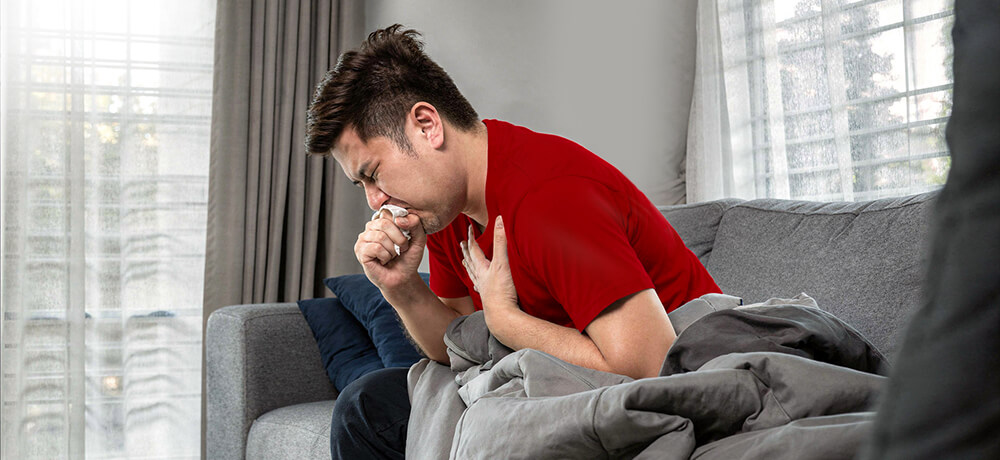
- Cough lasting more than two weeks
- Cough with blood or mucus
- Persistent low-grade fever (often worse in evenings)
- Fever or night sweats
- Unexplained weight loss
- Persistent fatigue
- Loss of appetite
Some extrapulmonary TB symptoms include a painless neck lump, persistent back pain and headache.
Who Is at Higher Risk
Anyone can develop this condition, but certain groups have a higher risk. They include:
- Prolonged contact with someone infected
- People with diabetes
- People with HIV
- Chronic kidney disease
- Patient with weak immune systems
- Elderly individuals
- Smokers
- People living in poorly ventilated spaces
In Malaysia, diabetes has been identified as one of the key health conditions associated with tuberculosis.
Testing and Diagnosis
Unlike COVID-19 or influenza, there are currently no reliable TB home test kits available. Doctors may use several tests to confirm the condition as it can’t be diagnosed through symptoms alone.
- Chest X-ray – Used to detect abnormalities in the lungs
- Skin test (Mantoux test) – Used to check if a person has been exposed to tuberculosis bacteria
- Blood test – Used to measure the immune system’s response to tuberculosis bacteria
- Sputum test – Checks sputum (coughed up phlegm) under a microscope to detect tuberculosis bacteria
- GeneXpert test – A rapid molecular test that can detect tuberculosis bacteria and possible drug resistance
- TB culture test – A highly accurate test that grows tuberculosis bacteria from sputum samples, but may take several weeks for results
- Biopsy – A tissue sample taken from an affected organ to confirm extrapulmonary tuberculosis
Treatment and Prevention
Tuberculosis can be cured when diagnosed early and treated properly. Most patients may not need to be hospitalised. Hospital admission may be necessary in certain situations, such as:
- Severe illness
- TB affecting the brain (TB meningitis)
- Coughing up blood (haemoptysis)
Without proper treatment, TB can cause serious complications, including lung damage, spread of infection to other organs, and the occurrence of drug-resistant TB.
Preventing TB involves reducing the risk of infection and ensuring early detection. Here are some preventive measures:
- Ensuring good ventilation in living spaces
- Avoiding crowded environments where possible
- Wearing a mask if you develop symptoms
- Seeking medical attention if you are coughing for more than two weeks
- Completing the full course of TB treatment if diagnosed
- Screening close contacts of infected patients
In Malaysia, the BCG vaccine is given to newborns. While it does not fully prevent the disease in adults, it helps protect children against severe forms of TB.
Do Your Part and Stop the Spread
Understanding the signs and risks of tuberculosis can help protect both yourself and those around you. If symptoms persist for more than two weeks, do not ignore them. Seeking medical attention early can lead to more effective treatments. With greater awareness and early action, we can help break the chain of TB transmission.
If you have any concerns about your respiratory health or would like to learn more about tuberculosis, schedule an appointment with one of our respiratory specialists today.


